
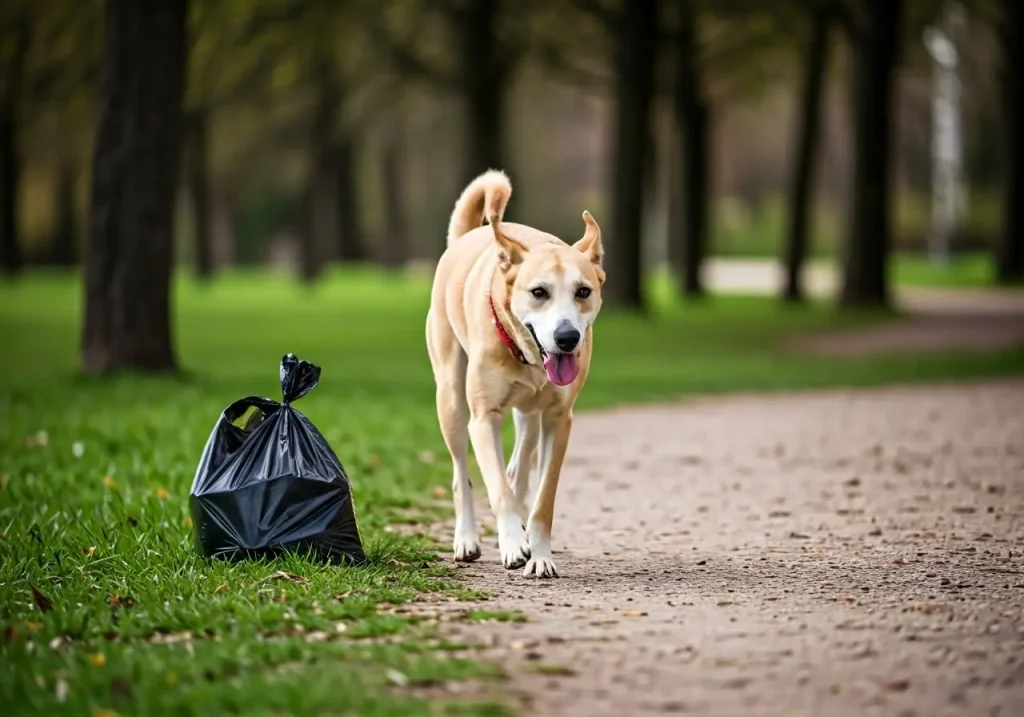
Understanding the Impact of Dog Waste on the Environment
Simple, dependable dog waste removal with straightforward service options and a local team you can reach.
Dog ownership comes with many joys, but it also brings responsibilities. One often overlooked aspect is the environmental impact of dog waste. While it might seem harmless, dog waste can have significant effects on our surroundings if not managed properly. This blog delves into the environmental challenges posed by dog waste and explores ways to mitigate its impact.

The Composition and Hazards of Dog Waste
Dog waste is more than just an eyesore; it is a complex pollutant that disrupts local environments. It contains harmful bacteria such as E. coli and parasites that can infiltrate local soil, leading to potential health hazards for those who unknowingly come into contact with it. Moreover, it contains a significant nitrogen content, contributing to what some call a ‘greenhouse gas effect’ when left to decompose. This nitrogen can create an imbalance in soil nutrients, harming native vegetation and benefiting invasive species Paws for Thought. By understanding its composition, we can better appreciate why proper disposal is non-negotiable.
A deeper dive into the makeup of dog waste reveals additional hidden threats. For instance, its nutrient-rich composition can result in eutrophication when introduced into water systems, which is the process of nutrient over-enrichment that fuels excessive algae growth. This, in turn, depletes oxygen levels, dramatically impacting aquatic life and biodiversity Environmental Impacts of Dog Waste. As we deepen our understanding, it becomes clear that dog waste is more than an individual problem—it’s a community one, affecting entire ecosystems.
Effects on Water Quality
When poorly managed, dog waste becomes a significant vector for water contamination. Flowing rainwater carries the pathogens, nutrients, and pollutants from dog waste into our rivers, lakes, and oceans. This is not an abstract problem—dog waste has been identified as a major contributor to water quality degradation because of nutrients like phosphorus and nitrogen Dog Waste Pollution. These nutrients spur excessive plant and algae growth, which, as they decompose, strip the water of oxygen. The ripple effects put substantial stress on aquatic life, threatening entire ecosystems reliant on delicate balances.
The unseen killers in dog waste pose grave risks. Pathogens found in dog waste can end up in our local fishing areas, playgrounds, and even water sources for drinking. Eradicating these pathogens is not always straightforward, highlighting why prevention – and that starts with proper dog waste management – is essential. There is a growing trend toward public pet waste disposal systems, which aim to tackle these issues head-on by ensuring the waste is transformed into a harmless substance and kept out of storm drains Pet Waste Disposal Systems Help.
The Impact on Soil and Vegetation
The nutrients in dog waste might sound beneficial at first, but in unmanaged quantities, they become a bane for local vegetation. A concentration of nitrogen and phosphorus from dog waste can create nutrient overloads in soils, preventing native plants from thriving while promoting the growth of more aggressive invasive species. This has cascading impacts on local ecosystems, which rely on a balance of biodiversity Neighborhood Greening Article.
Soil not only suffers from nutrient imbalances; it becomes a haven for weeds and disrupts habitats that rely on undisturbed ground cover. The process of decontaminating these areas is both labor-intensive and expensive, making prevention through responsible waste management invaluable. Native plants must compete for resources, which can lead to a weakening of local flora and, by extension, the fauna that depend on them Enviro Pet Waste Net.
Health Risks to Humans and Pets
The health implications of leaving dog waste unattended extend beyond environmental damage; they directly affect humans and pets. Harmful pathogens thriving in dog waste, including Salmonella and Giardia, can easily transfer to humans and animals through direct contact or contaminated surfaces. This is particularly concerning in areas where children play, or where pets frequently roam. The Centers for Disease Control and Prevention highlight the need for stringent waste management practices to protect public health Dog Waste Pollution.
Eco-friendly Ways to Dispose of Dog Waste
Eco-friendly disposal of dog waste is more accessible than many think. Choosing biodegradable bags significantly reduces the plastic that ends up in landfills. These bags break down naturally, minimizing long-term environmental impact. Composting is another viable option, although it requires care to ensure only dog-specific composting methods are used, as general composting could pose health risks Pet Waste Disposal Systems Help.
Communities can introduce public pet waste disposal systems, which transform waste into harmless ground-absorbed liquid, exemplifying collective efforts to curb pollution. Public bins dedicated to dog waste help encourage responsible disposal habits while educating citizens on the importance of environmental stewardship Enviro Pet Waste Net. Engaging in these practices not only preserves our environment but ensures our furry friends remain welcome members of the community.
Community Initiatives and Education
Community involvement is crucial in managing dog waste and mitigating its environmental impact. Group initiatives, such as neighborhood clean-up events and educational workshops, effectively disseminate information on the importance of proper waste disposal. These events foster a sense of shared responsibility and unity, encouraging dog owners to be proactive in solving the problem together Dog Waste is Harming the Environment.
Educational programs in schools and local clubs create early awareness among young generations about the environmental impacts of dog waste. When provided with the knowledge and tools, these programs empower individuals to make informed decisions, ensuring that they view responsible dog ownership as intrinsic. Partnering with local businesses and community leaders can further amplify these efforts, rooting environmental consciousness in everyday life. Together, we can shape a cleaner, greener future for all living beings.
Taking Responsibility for a Cleaner Environment
Managing dog waste responsibly is crucial not just for maintaining clean neighborhoods, but for protecting our environment and health. By adopting eco-friendly practices, such as using biodegradable bags and supporting community waste management programs, we can all contribute to a cleaner and safer planet. Let’s embrace our role as responsible pet owners and work towards a sustainable future. For more information on our services, visit our home page.
Ready for a cleaner yard?
Tell us about your property and we will help you choose the right service.
